

Two weeks ago Sapporo Breweries Limited announced the sale of Stone Brewing Company to Duvel Moortgat Brewery. If you didn’t know, Sapporo acquired Stone in 2022 for $165 million. Duvel Moortgat has a web of ownership that reads like a who’s who of American breweries born in the George H. W. Bush and Bill Clinton presidencies: Firestone Walker Brewing Company (originally born in California), Boulevard Brewing Company (originally born in Missouri), and Brewery Ommegang (originally born in New York), founded as independent breweries in 1996, 1989, and 1997 respectively. Nevermind the Duvel brand itself, a flagship Belgian golden strong ale that is well regarded. The Duvel Moortgat company also has taken over a number of breweries and brands in Belgium, the Czech Republic, and the Netherlands.
You can take the news of the sale of Stone in Richmond, VA and Escondido, CA, as good, bad, ugly, or anywhere else across the spectrum of takes. Headlines ranged from “San Diego’s Stone Brewing sold, beer production moving out,” to “Stone Brewing beers will no longer be made in Virginia,” to “Sapporo Is Selling Stone Brewing Again—Here’s Why That Might Be Good for American Craft Beer,” and while the facts are irrefutable the frame varies between outlets.
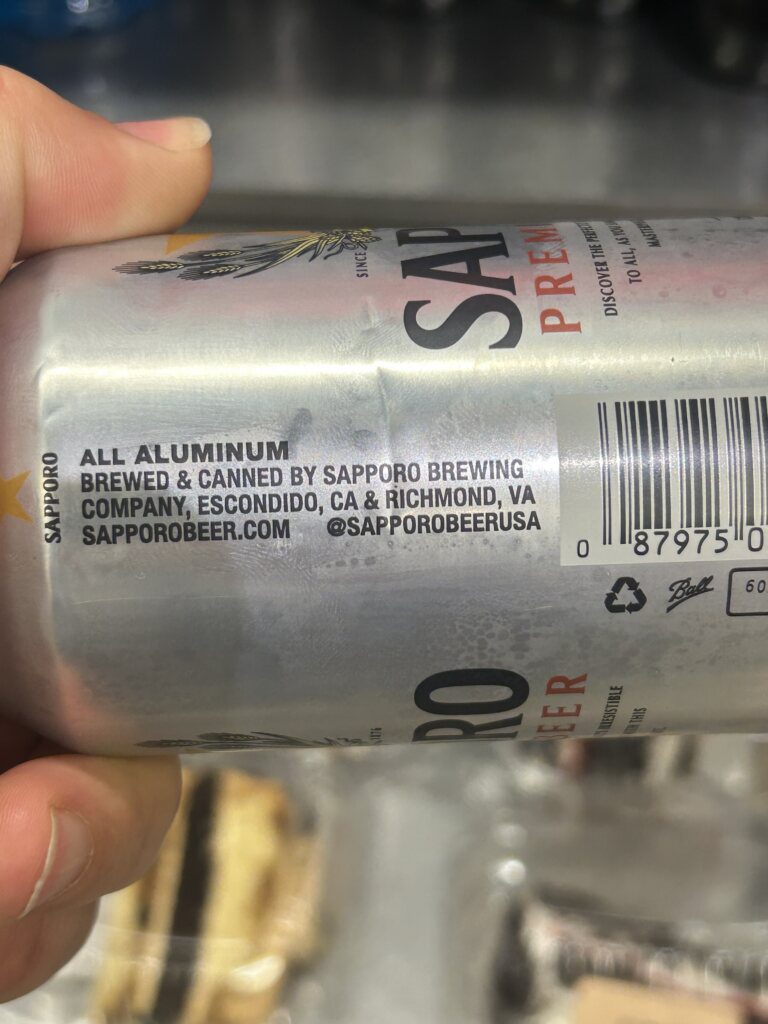
So what is the DC Beer take? Well, it’s a bit hard to say. I suppose “good riddance” is the hottest take I can muster, but it’s not without issue. When I was last at the National Gallery of Art, I saw a tall can of Sapporo, brewed at Stone’s Richmond facility, alongside Heineken, and Corona, in the Garden Cafe. It’s the only local beer there, given it was brewed in Richmond, but of course the company is most associated with Hokkaido, Japan. Further easterly in the National Gallery of Art is the Cascade Cafe where you’ll find the same selections with the bonus points of DC Brau, the only product from the District of Columbia. There’s also Fosters, High Noon and a few wines. Tossup between whether Sapporo or DC Brau Pils was the best bang for my buck, with DC Brau and all the other beers priced at over $8 and the tall can of Sapporo over $10. For what it’s worth Underwood wine is over $11 as is High Noon. Of course a museum is often one of the priciest places for beer, save a stadium or concert venue. So does Sapporo deliver on value where I get 10 more ounces of lager for $2+ more dollars? Maybe. Does it also deliver a ping of sadness to the back of my brain when I remember California Lager and how some other beer folks lament to me that Sapporo killed Anchor Brewing Company? Maybe. Anchor may come back, but that’s another post for the future.
As for the immediate future, Sapporo will continue to be made in Richmond, but what about the jobs that are lost because Stone Richmond is closing? That strikes us as a blow to our beloved brewing industry. Will it mean less members in the Richmond chapter of the Pink Boots Society? That would truly suck as we wish to see more equity amongst brewers down the road from DC.
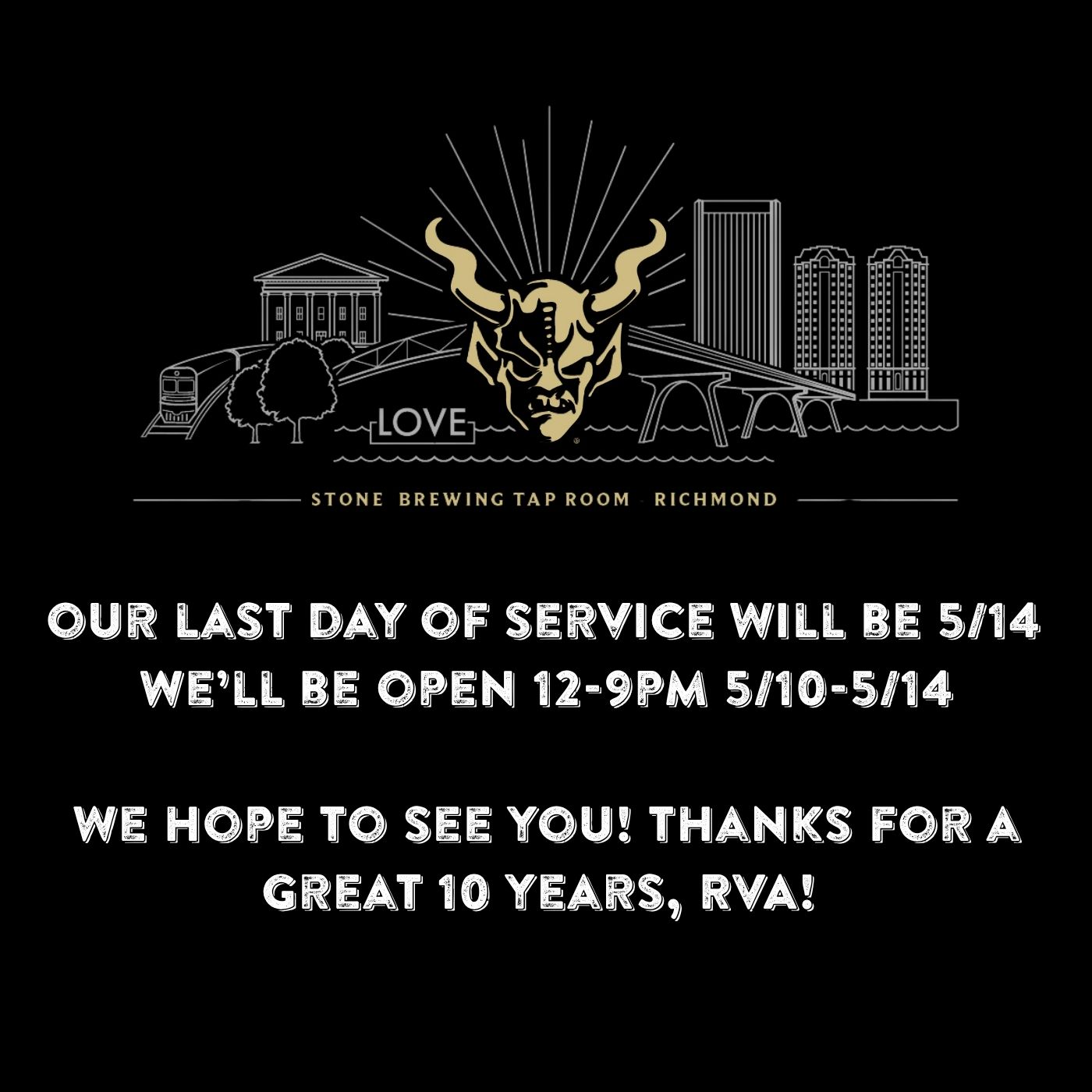
Axios reports the deal plans to close at the end of May, though via Stone’s own announcement on social media, their taproom will not be around through the end of the month. The brewery says their taproom’s last day of service is May 14.
According to a source, Stone Richmond had recently brewed a collaboration beer with Ardent Craft Ales in celebration of their forthcoming 10th anniversary. Earlier in the year Ardent had brewed a barleywine with Stone. Currently, Ardent has a contract beer in one of Stone’s tanks that was going to be released for Stone’s 10th anniversary on May 23, but that isn’t happening now. Good neighbor that Ardent is, they’re going to package it and are planning to give it to their employees for free. The source also told us that all of Stone’s front of house employees lost their jobs except for their tasting room manager. Hard to sugarcoat that!
I think the hard truth is that fresh rice lager brewed two hours south of us is a good thing. People losing their jobs is a bad thing. Calling balls and strikes here, but it sure does add to the complexity of the brewing world we currently find ourselves in.


One response to “Stone Leaves Richmond, Sapporo Stays”
I’m pretty disappointed that Stone’s lineup will probably disappear from the east coast now. I’d take a pint of Arrogant Bastard over boring Sapporo any day of the week.