


In a perfect world every can, bottle, and keg of beer you buy would come with two dates: born on and best by. But we don’t live in a perfect world, we live in 2025. Or, year 4723 on the Chinese traditional lunisolar or 5785 on the Hebrew calendars.
In a perfect world, date coding would be what Em Sauter, better known as Pints and Panels, outlined for us years ago. For example, Julian calendar date of 298-19 would be October 25, 2019, the 298th day of that year. There are also “brewery specific” dates which are of less import to us, the lowly customers searching for a beer at peak freshness.

Most Washington, DC breweries who package their beer have date codes on their cans. Ideally when you look at the bottom of your can, you will see a “spray date” in our American coding: 06/26/25. If we were in Prague, Krakow, or Munich, you might see 26/06/25. European coding can be a source of consternation for retailers as it’s sometimes unclear if 06/05/25 means a bottle was packaged on May 6 or June 5.
Locally you can spot a born on date on cans packaged at Atlas, DC Brau, Lost Nomad, Other Half, Right Proper, and Soul Mega. And while it’s just a born on date, not a best by date, you can know when your can is 90 days old or sadly over 365 days old. In the case of Lost Nomad and Soul Mega, their date coding comes from the process already in place at DC Brau. When we see a forthcoming Soul Mega collaboration beer brewed at Troegs Independent Brewing, my guess is we’ll see a born on date (though mildly disguised) and a best by date. This is the convention of Troegs, where there are three tidbits of information on a can, though only two are really relevant to us, the consumer.

The first and most transparent is the “Freshest by,” which is printed on the bottom of the can like “Freshest by 07/12/2025,” so it’s clear when you should enjoy it by… in a perfect world. A bit more cryptic is the date that appears under the freshest by date, 250310-106-3.21. I don’t know what 106-3.21 stands for, but I do know that 250310 indicates the beer was packaged March 10, 2025. That’s year 2025, month 03, day 10. Thus this particular can of Troegs Down-Right Awesome Lager is given a four-ish month best by date from March 10 to July 12.
My editor gave me this can of lager and he also gave me a can of Tröegs Pennsylvania Lager. The lager was Freshest by 6/20 and while my wife enjoyed it on 6/23 it still tasted fresh. My editor would like readers to know the beer was purchased in mid-April and stored in the fridge.
This brings me to a funny story about Troegs and lager. When I was working at DC’s biggest brewery in 2016, a brewer who had previously brewed at Troegs told me someone swore by a six months past-date-code Pilsner. The old timer would take a case of Troegs’ Sunshine Pils bottles, age them for 6 months, and only then begin drinking it. As the old saying goes, de gustibus non est disputandum, or de gustibus non disputandum est or from the Latin, in matters of taste, there can be no disputes. Put more concisely, you do you. Also, don’t yuck my yum. But bear in mind, YMMV.

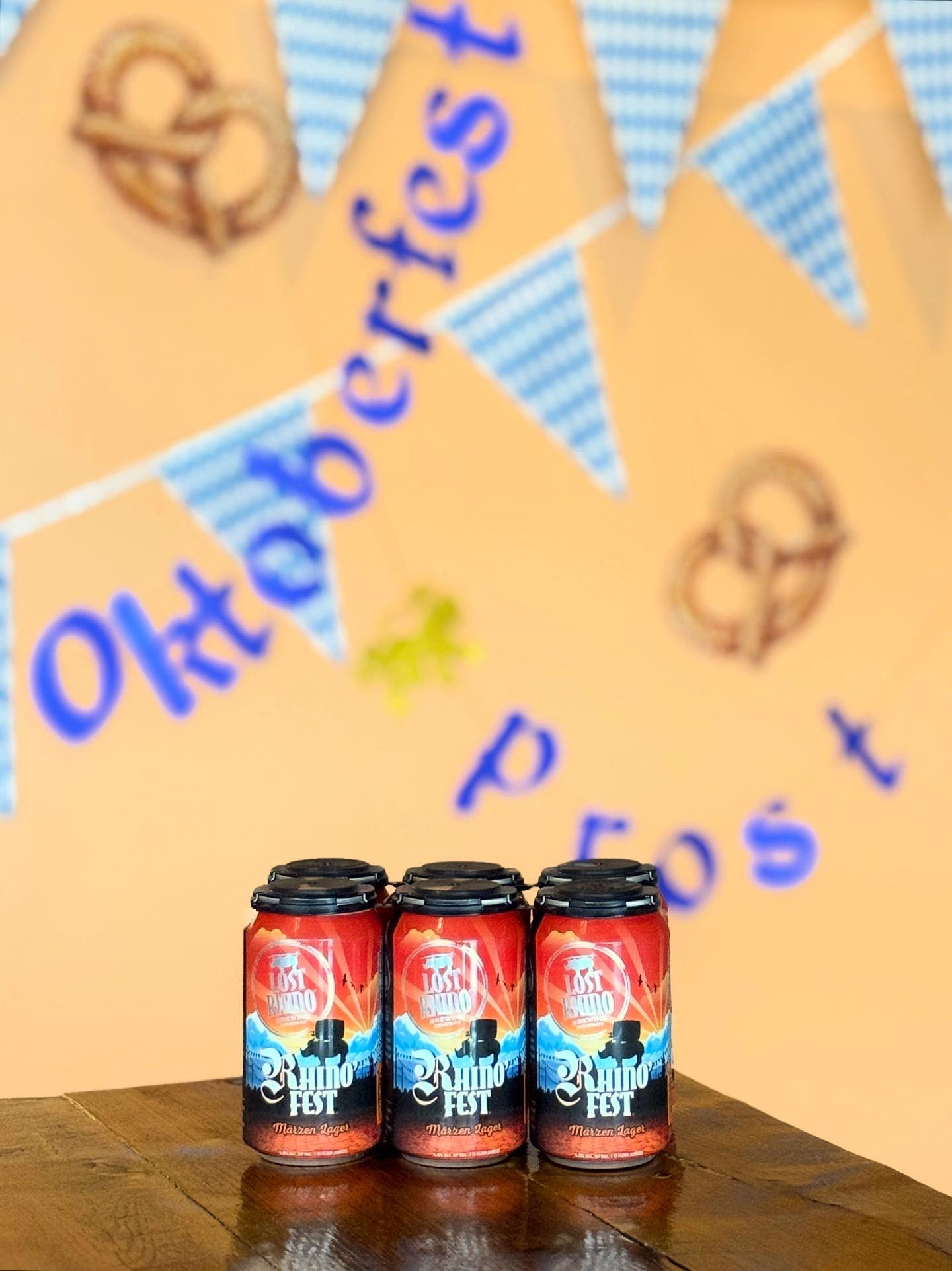
In town, Bluejacket, Lost Generation, and Red Bear do not date code the bottom of their cans. Looking outside DC to the exurbs of Maryland and Virginia, it becomes easier to find more cans, and bottles, without spray dates. One way to check or cross-reference the can in front of you is to look at and scroll social media to see the date the brewery posted about the can in your hand. Whereas Bluejacket and Lost Generation can in-house, Red Bear uses a mobile canning company.
Some passionate beer drinkers may think: I’m tired of seeing no dates on cans, nothing makes me put it down faster than flipping it over and seeing no dates. Another poster writes: my favorite is the ones that make a really half-assed attempt at date labeling, that end up illegible or mostly missing. Get your shit together.
All fair! And while opinions are like assholes, I would add that breweries cannot always pull every can that has an illegible date. From a cost-benefit analysis, if you’re canning 30 barrels of beer, and something like 20 cans have a wonky spraydate, you’re holding up 9,900 more cans that need dates. What’s 20 cans with poor date labelling when nearly 10,000 more cans need to run down the line before lunch?
Calling attention to these quips has prompted discussions with local breweries. Brewers sometimes casually rebutt these opinions. First, a date coder can be an expensive additional machine for a brewery. Second, some brewers in town only distribute one offs or small amounts of cans and therefore social media posts will tell you the release date. Is a spraydate on the bottom of the can? No. Is it an easy enough way to cross-reference how old the can in front of you is? Yep.
I realize this may sound like the packaged beer equivalent to “no food from here, we have food at home,” and perhaps it is. But brewery budgeting keeps breweries in business. You do not know the margins within which a business must operate to stay afloat, run payroll, and keep the lights on. (Apologies to the small business owners reading this who know exactly the cost to keep the business running, the staff paid, and lights on!)

Recently, Right Proper began shifting their date coding from a paper sticker on their six pack holders to spray dates on every can. When the last of their beer with the paper sticker date codes is sold, all of their beer in the market will be exclusively spray-dated cans. Instead of one born on code for six cans, each can will have a packaging date. This move holds massive potential to make a difference in freshness in their products. It’s important not just to you, but perhaps also to hundreds of reddit posters, and in venues like the Smithsonian’s 17 institutions in DC.
In a perfect world, every brewery and distributor would come get their old beer from the shelf of your local shop. My editor once walked into a bar in late June that had Stone’s Enjoy By 4/20 IPA on tap–the date is right there on the keg collar, beer title, and can label itself! That is another article for another day, but in the meantime, please check your date codes! If your beer is 12-120 days old, grand! If it’s six months to a year old, probably less than ideal! If your spray date is approaching a year or was printed over a year ago, it’s time to bring that can to the cashier and politely let them know.


One response to “Date Coding in a Perfect World”
yes, like when I was at the liquor/package store in Riverdale and there was a can of Wheatland Spring lager that was easily over 2 years old, if not more. Though I don’t remember the exact amount of time it had past it’s prime, I do remember being shocked at how old the can was and angry at the store for not pulling it. We’ve bought so many cans of beer from this particular spot without a spray date and had to dump them bc they were undrinkable. Such a waste of money for the customer, terrible business for the maker of the beer bc of someone buys a terrible old can from a brewery and they hate it, it’s far less likely that they’ll buy anything else from that brewery, assuming that’s the quality of all their beer. The only winner is the package store, without a care, selling shit they shouldn’t be and knowing better.