

The Snallygaster festival is 14 years old. For American craft brewing that’s nearly old age! Not every beerfest, or craft brewery for that matter, gets to celebrate 14 years.
Since I was a child my family told me I had an “old soul.” And with grandparents born in 1903 and 1904 it’s no wonder. But my great grandparents were born in 1859 and 1864. So I asked myself, what breweries were around with my great grandparents? And the answers did not disappoint!

The breweries that were around when my great grandparents and grandparents were born in Bohemia, then a part of the Austro-Hungarian empire, reads like a who’s who of classical styles. Bavarian Dunkel Weizen? Andechs! Flemish red? Rodenbach! Lambic and Oude Gueuze? Cantillon and 3 Fonteinein! Consider these absolute gems of breweries and their timelines predating my great grandparents or grandparents.
Klosterbrauerei Andechs is a monastic brewery in upper Bavaria, Germany. Andechs lists “since 1455” on its label. The brewery built a seven-story malthouse in 1906 (when my grandparents were two and three years old!), and their first bottling line was added in 1950. The abbey decided a separate brewing facility at the foot of the mountain would suit in 1972 and by 1974 it was completed. In 1983 a new brewery building came around (the year my grandfather died!) and their fermentation and storage facilities were expanded in 2006 and a brewhouse renovation took place in 2007. Enjoy their Weissbier Dunkel and Spezial Hell, they’re both really delightful beers.
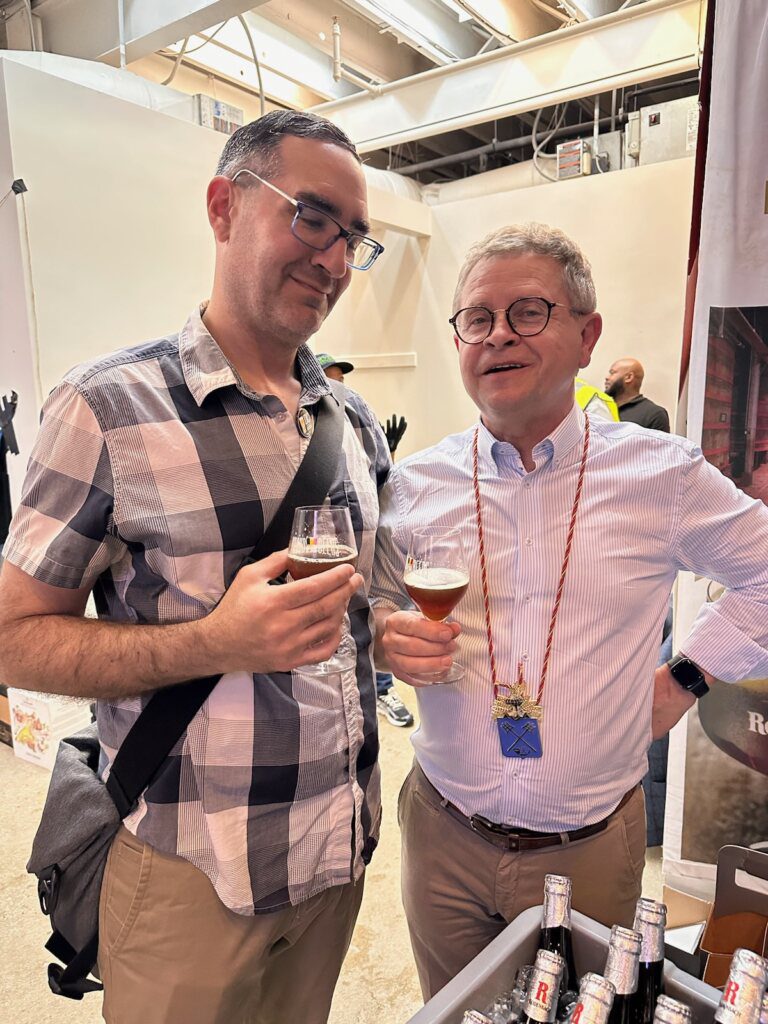
Rodenbach has a founding date of 1821 in West Flanders, Belgium. That’s before both of my great grandparents were born! In his 1988 book, famed beer writer Michael Jackson writes, “Among the Red Beers, Rodenbach is the undisputed classic, made by the most traditional method.” If you’ve never had Rodenbach, you must try the tart Red beer that launched a thousand Flanders-style ales. Their classic Flanders Red Ale is aged six months, their Grand Cru 18, and their Vintage 2018 spent two years in their famous wooden foeders.

Another Belgian classic is 3 Fonteinein. On their site, they write, “For many lambic brewers and geuze blenders, their earliest history is shrouded in some mystery. Brouwerij 3 Fonteinen is no exception. The foundation goes back to at least 1864, when Jacobus Vanderlinden and his wife Joanna Brillens opened an inn in Beersel (at the location of today’s Hoogstraat 13).” Wikipedia claims 3 Fonteinen “was founded in 1887 as a cafe and geuzestekerij, a place where geuze is produced by blending old and new lambics, acquired from other breweries.” Whatever date you think best, 1864 or 1887, my great grandparents were there! Well, not there there, in Belgium, they were a few kingdoms away, in Bohemia. Anyways, the famed producers are bringing some heavy hitters. First is Speling van het Lot XIII.iii: Amforenlambik or Amphora-Aged Gueuze Lambic, and their Cask Finish Series: Jura Barrel Blend. Finally, a simply titled Lilac Wine, no doubt with a complex process and schedule. It is a blend of lambic with blackberries and cherry mead, a collaboration with De Mederie, of Celles, Belgium.
Another famed Belgian lambic producer is Cantillon. They have four offerings: Magic Lambic 2026, Fou’ Foune 2025, Chenin Blanc 2025, and Grenache Blanc 2024. According to 100 Years of Brewing, published in 1901, New York brewed 9,923,108 barrels and Maryland brewed 1,025,028 in 1900, the year of Cantillon’s founding. The book says this according to the report of the internal revenue department for the year ending June 30, 1900.
For an even older brewery, check out De Haalve Maan, founded in 1856. With three separate and unique offerings, Haalve Maan is bringing a blonde, a tripel, and a barrel-aged quad. Brugse Zot Blond is pouring alongside Straffe Hendrik Tripel, and finally Straffe Hendrik Heritage, their Oak Barrel-Aged Quadrupel.
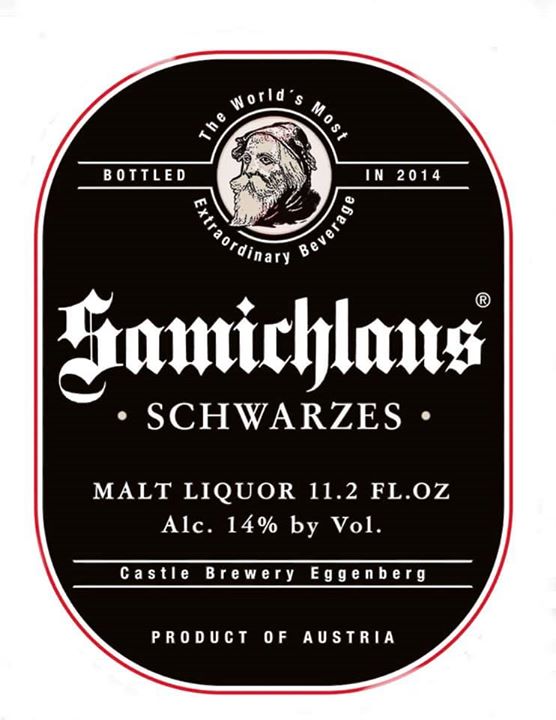
Going back even further in time is Eggenberg with a 1681 claim for the beginning of commercial brewing. They’ll have a lager heavy lineup with Hopfenkonig Pils, a nice and light pilsner, Urbock 23° a pale doppelbock at 9.6% ABV, and the fierce Samichlaus Schwarzes, what the festival is calling “a Doppelbock w/ “Arnold Schwarzenegger” Yeast,” which is 14% ABV. To be determined if this is real or the festival team having a laugh.
Mahr’s Brau was founded in 1670 and since 1895 the Michel family were operators. The brewery is bringing Pils, a classic German Pilsner, and U Ungespundet Naturtrüb, a well known kellerbier that has tickled lager-lovers fancies for decades.

G. Schneider & Sohn was founded in 1872 by Georg Schneider I and his son Georg Schneider II. My grandparents weren’t around then, but my great grandparents shared a timeline with both Georg and Georg II! This old weissbier brewery is bringing Festweisse, a unique Festbier at 6.2%, and Aventinus, which the brewery describes as a “dark ruby coloured wheat beer, intensive and fiery, warming, well-balanced and tender. Bavaria’s oldest wheat ‘Doppelbock.”
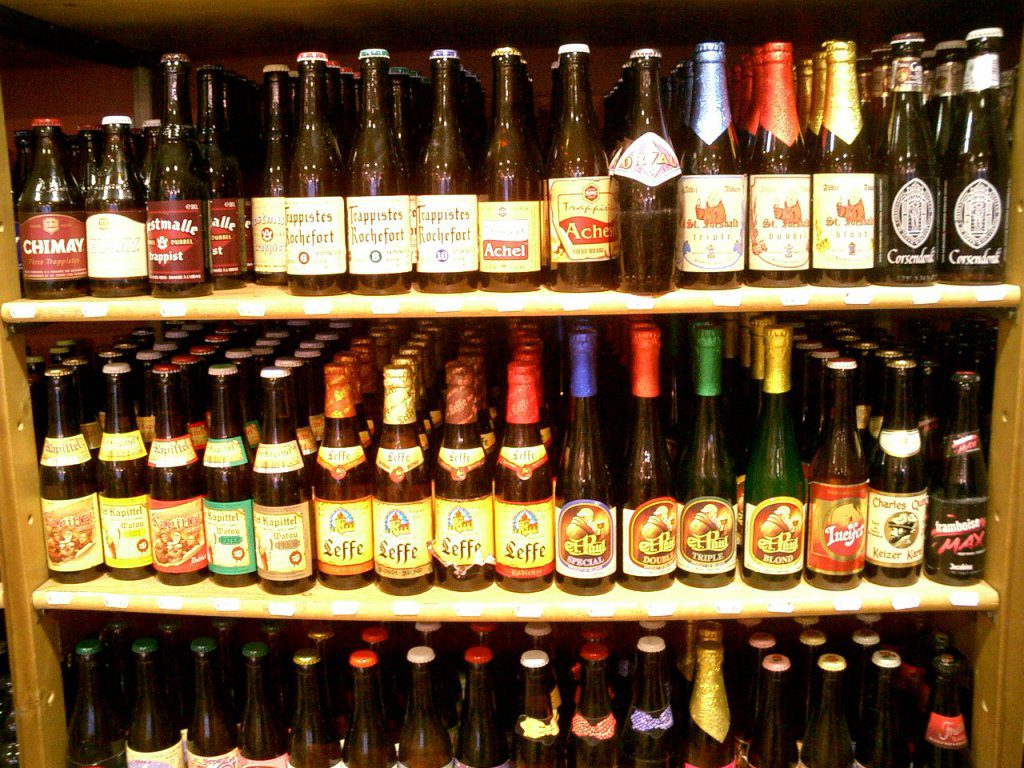
Saint Bernardus was founded in 1946. So technically only my grandparents were around then. But when I was last at Churchkey with beer historian Ron Pattinson, an audience member asked us what was our desert island beer? Without skipping a beat, Pattinson replied “abbot 12,” the brewery’s 10% quadruple offering. They will be bringing this to the festival as well as their Witbier, a smaller 5.5% stature.
Privatbrauerei Waldhaus is a privately-owned brewery in Weilheim in the German state of Baden-Württemberg. The brewery began in 1833, so older than both of my great grandparents! They are bringing Diplom Pils, a German Pilsner, and Ohne Filter, a Kellerbier. Please have some of these beers for the ancestors!
What old, new, or somewhere in between beers are you most jazzed about at Snallygaster? Come see us at the DC Beer stage and let us know which you found most excitable!



Leave a Reply